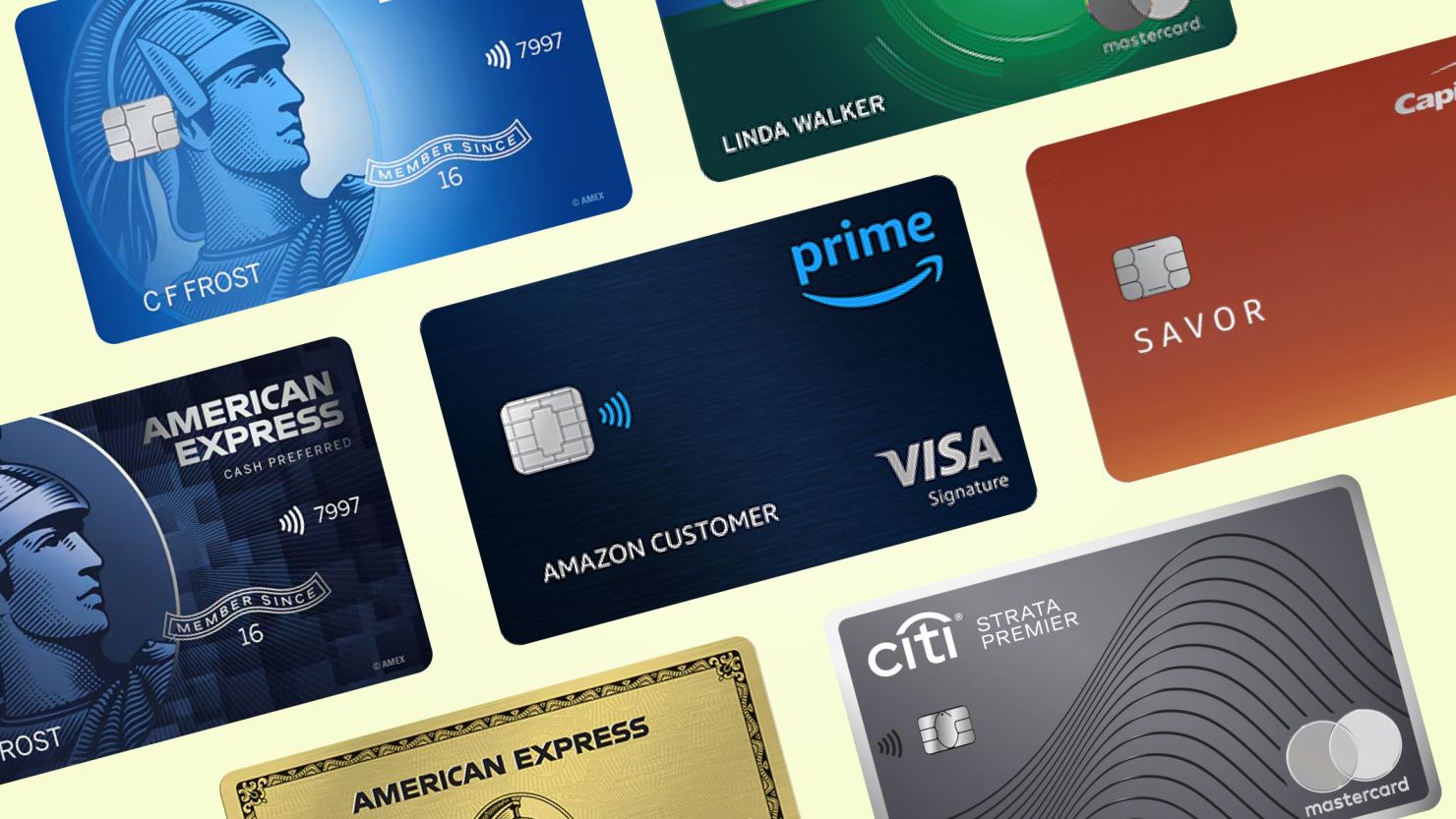
Grocery bills are one of the biggest recurring expenses for many American households. If you pay for groceries with a credit card and pay your balance on time, a grocery rewards credit card can help you earn cash back, points or other rewards on purchases you already make.
In 2026, several credit cards offer elevated rewards at supermarkets, while others combine grocery rewards with dining, gas, online shopping or travel benefits.
In this guide, we’ll look at 10 popular credit cards for grocery spending in the USA, including their rewards, annual fees and important features.
Important: Credit card rewards, annual fees, welcome offers and APRs can change. Always check the issuer’s current terms before applying.
What Is a Grocery Credit Card?
A grocery credit card is a card that provides enhanced rewards when you purchase eligible groceries.
For example, a card might offer:
- 6% cash back at U.S. supermarkets
- 4X points at U.S. supermarkets
- 3% cash back on groceries
- 2% cash back on all purchases
The exact reward depends on the card and how the merchant is categorized.
One important detail is that not every store selling food qualifies as a supermarket. Some cards may exclude retailers such as Walmart, Target or warehouse clubs from their grocery bonus category.
1. Blue Cash Preferred® Card from American Express
The Blue Cash Preferred® Card from American Express is designed around several common household spending categories, including groceries.
The card currently offers 6% cash back at U.S. supermarkets on up to $6,000 per year in eligible purchases, followed by 1%. It also offers 6% on select U.S. streaming subscriptions and 3% at eligible U.S. gas stations and on transit.
Key features
- 6% cash back at U.S. supermarkets
- Grocery rewards capped at $6,000 annually
- 6% on select streaming services
- 3% on eligible gas and transit
- $0 annual fee for the first year
- $95 annual fee after the first year
Example
If you spend $500 per month at eligible U.S. supermarkets:
$500 × 12 = $6,000
At 6% cash back, that represents:
$6,000 × 6% = $360 in rewards
The actual value depends on eligibility and the card’s current terms.
2. Capital One Savor Cash Rewards Credit Card

The Capital One Savor Cash Rewards Credit Card is another option for people who spend money on both groceries and dining.
The card currently offers 3% cash back at grocery stores, restaurants and on entertainment, along with 1% on other purchases. NerdWallet also notes that the card’s grocery and dining rewards are not subject to the same type of annual spending cap found on some competing cards.
Key features
- $0 annual fee
- 3% cash back at grocery stores
- 3% at restaurants
- 3% on entertainment
- 3% on eligible streaming services
- 1% on other purchases
This can be useful for households that spend significantly on both groceries and eating out.
3. Blue Cash Everyday® Card from American Express

If you want grocery rewards without paying an annual fee, the Blue Cash Everyday® Card from American Express is an option worth considering.
It currently offers 3% cash back at U.S. supermarkets, U.S. online retail purchases and U.S. gas stations, with each category capped at $6,000 per year in eligible purchases before the rate drops to 1%.
Key features
- $0 annual fee
- 3% at U.S. supermarkets
- 3% at U.S. gas stations
- 3% on eligible U.S. online retail purchases
- $6,000 annual spending limit per bonus category
- 1% on other eligible purchases
Who may consider it?
It can make sense for consumers who want grocery rewards but don’t want to pay an annual fee.
4. American Express® Gold Card
The American Express® Gold Card focuses heavily on food-related spending.
It currently earns 4 Membership Rewards points per dollar at U.S. supermarkets on up to $25,000 in purchases per calendar year, then 1 point per dollar. It also earns 4X points at restaurants worldwide, subject to applicable terms and limits.
Key features
- 4X Membership Rewards points at U.S. supermarkets
- Supermarket spending limit of $25,000 per calendar year
- 4X points at restaurants
- 3X points on eligible flights
- $325 annual fee
This is a premium card, so its value depends on whether the cardholder can make effective use of its rewards and benefits.
5. Citi Strata Premier® Card
The Citi Strata Premier® Card combines grocery rewards with travel and other everyday categories.
The card currently earns 3 ThankYou Points per dollar at supermarkets, as well as 3X points at restaurants, gas stations and on air travel and most hotels. It has a $95 annual fee.
Key features
- 3X points at supermarkets
- 3X at restaurants
- 3X at gas stations
- 3X on air travel and most hotels
- $95 annual fee
- Travel-focused rewards
This can be considered by people who want grocery rewards while also earning transferable travel points.
6. Citi Double Cash® Card
The Citi Double Cash® Card takes a simpler approach.
Instead of having a special grocery category, the card currently offers 2% cash back on purchases: 1% when you buy and another 1% as you pay.
Key features
- $0 annual fee
- 2% cash back
- Simple rewards structure
- No grocery-category tracking required
For shoppers who frequently purchase groceries from stores that don’t qualify for traditional supermarket bonus categories, a flat-rate card can be useful.
7. Instacart Mastercard®
For people who frequently order groceries through Instacart, the Instacart Mastercard® is another card to consider.
NerdWallet currently identifies it as a grocery-delivery option and reports 5% cash back on Instacart orders, with the elevated reward capped at $6,000 per year.
Key features
- 5% cash back on eligible Instacart purchases
- Grocery-delivery focus
- $6,000 annual spending cap for the elevated rate
- Additional rewards categories may apply
This card is most relevant if a significant portion of your grocery spending happens through Instacart.
8. Chase Sapphire Preferred® Card
The Chase Sapphire Preferred® Card is primarily a travel rewards card, but it can also be relevant to people who order groceries online.
Chase currently provides bonus points on eligible online grocery purchases, while the card also earns rewards on dining and travel.
Key features
- $95 annual fee
- Travel-focused Ultimate Rewards points
- Online grocery rewards
- Dining rewards
- Travel rewards
- Chase Travel benefits
It is not necessarily a dedicated supermarket cash-back card, but it can be useful for consumers who combine grocery spending with travel and dining.
9. Bank of America® Customized Cash Rewards
The Bank of America Customized Cash Rewards card allows eligible cardholders to choose a bonus spending category.
The card currently has a $0 annual fee and offers enhanced rewards in selected categories, subject to the applicable spending limits and terms.
Key features
- $0 annual fee
- Selectable bonus category
- Grocery rewards
- Cash-back redemption
- Additional rewards on other spending categories
This type of card can be attractive if your grocery spending fits within the available bonus-category structure.
10. Capital One VentureOne / Flat-Rate Alternative
A flat-rate rewards card can be useful when your grocery purchases don’t consistently qualify for a supermarket bonus category.
Instead of tracking individual categories, you earn a standard reward rate across eligible purchases.
This approach may be particularly useful for people who buy groceries from:
- Warehouse clubs
- Superstores
- Convenience stores
- Different grocery chains
- Online retailers
Before choosing a card, check how the issuer defines eligible grocery purchases.
Grocery Credit Card Comparison
| Credit Card | Grocery Reward | Annual Fee | Main Advantage |
|---|---|---|---|
| Blue Cash Preferred | 6%* | $0 first year, then $95 | High supermarket rewards |
| Capital One Savor | 3% | $0 | Grocery + dining |
| Blue Cash Everyday | 3%* | $0 | Grocery + online shopping |
| Amex Gold | 4X points* | $325 | Food + travel rewards |
| Citi Strata Premier | 3X points | $95 | Grocery + travel |
| Citi Double Cash | 2% | $0 | Simple flat-rate rewards |
| Instacart Mastercard | 5%* | $0 | Grocery delivery |
| Chase Sapphire Preferred | Online grocery rewards | $95 | Travel + online groceries |
| Bank of America Customized Cash Rewards | Category-based | $0 | Flexible categories |
| Flat-rate alternative | Varies | Varies | Purchases outside grocery categories |
*Reward rates are subject to category definitions, spending limits and issuer terms.
How Much Can You Save on Grocery Bills?
Your potential rewards depend on how much you spend.
For example, if a card provides 3% cash back and you spend:
$300 per month
Your annual grocery spending would be:
$300 × 12 = $3,600
At 3% cash back:
$3,600 × 3% = $108
If you spend $600 per month:
$600 × 12 = $7,200
At 3%:
$7,200 × 3% = $216
These examples don’t account for spending caps, annual fees, excluded purchases or other card terms.
Grocery Card vs. Flat 2% Cash-Back Card
A grocery-specific credit card isn’t always the best fit.
Suppose you spend $4,000 per year on eligible supermarket purchases.
A 3% grocery card would generate approximately:
$120
A 2% flat-rate card would generate:
$80
The grocery card provides $40 more before considering annual fees.
However, if the grocery card has a $95 annual fee, the calculation changes significantly.
That’s why you should compare rewards minus annual fees, rather than simply looking at the highest percentage.
What Stores Count as Grocery Stores?
This is one of the most important things to check before applying for a grocery rewards card.
Credit card companies generally determine rewards based on the merchant category code assigned to a transaction.
A store that sells groceries may not necessarily qualify as a supermarket for rewards purposes.
Depending on the card, retailers such as:
- Walmart
- Target
- Costco
- Sam’s Club
- Convenience stores
may not qualify for a standard supermarket bonus.
NerdWallet specifically warns that many grocery cards exclude superstores and warehouse clubs from their grocery category.
Always check the card’s terms if these stores make up a large portion of your grocery budget.
How to Choose a Credit Card for Grocery Bills
1. Calculate your monthly grocery spending
Look at your bank and credit card statements from the last three to six months.
2. Check where you shop
Are your purchases mainly from traditional supermarkets, warehouse clubs, Walmart, Target or online grocery services?
This can dramatically change which card provides the most useful rewards.
3. Compare annual fees
A card offering 6% cash back may have an annual fee, while another card may offer 3% with no annual fee.
4. Check the spending cap
Some cards limit their enhanced grocery rewards to a specific annual amount.
5. Look at other spending categories
A card that rewards groceries, gas, dining and streaming may provide more overall value than a card focused only on groceries.
6. Consider how you redeem rewards
Cash back is generally straightforward, while points may provide different values depending on how they are redeemed.
Are Grocery Credit Cards Worth It?
They can be, particularly for households with significant grocery spending.
For example, a family spending several hundred dollars every month at eligible supermarkets may accumulate meaningful rewards over a year.
However, rewards only make sense when the card is used responsibly.
If you carry a balance and pay significant interest, the interest cost can easily exceed the value of your grocery rewards.
The goal should be to earn rewards on purchases you were already planning to make—not to spend more simply to earn points or cash back.
Frequently Asked Questions
What is the best credit card for grocery bills in 2026?
There is no single card that works best for every shopper. The right choice depends on grocery spending, where you shop, annual fees, reward limits and whether you prefer cash back or points.
Which credit card gives the highest grocery cash back?
The Blue Cash Preferred currently offers 6% cash back at eligible U.S. supermarkets on up to $6,000 per year in purchases, subject to its terms.
What is the best no-annual-fee grocery credit card?
Options include the Blue Cash Everyday and Capital One Savor, both of which currently have $0 annual fees and offer elevated rewards in grocery-related categories.
Can I use a grocery credit card at Walmart?
It depends on the card. Walmart and similar superstores may not qualify for a card’s supermarket bonus category. Check the issuer’s terms before relying on grocery rewards at a particular retailer.
Can I use a grocery credit card at Costco?
Not every grocery rewards card treats warehouse clubs as supermarkets. If Costco represents a large portion of your grocery budget, check the card’s eligible-category rules before applying.
Should I pay my grocery bill with a credit card?
Using a credit card for groceries can earn rewards, but it is important to pay the balance on time. Carrying a balance can result in interest charges that may outweigh the rewards.
Final Thoughts
A large grocery bill can become an opportunity to earn rewards when you use the right credit card responsibly.
Cards such as Blue Cash Preferred, Capital One Savor, Blue Cash Everyday, American Express Gold, Citi Strata Premier, Citi Double Cash and Instacart Mastercard offer different approaches to grocery rewards in 2026.
Before choosing a card, look beyond the headline rewards percentage. Compare the annual fee, spending limits, eligible stores, redemption options and rewards on your other everyday purchases.
Most importantly, pay attention to the card’s interest rate and pay your balance on time. Grocery rewards are most useful when they come from purchases that are already part of your normal household budget